
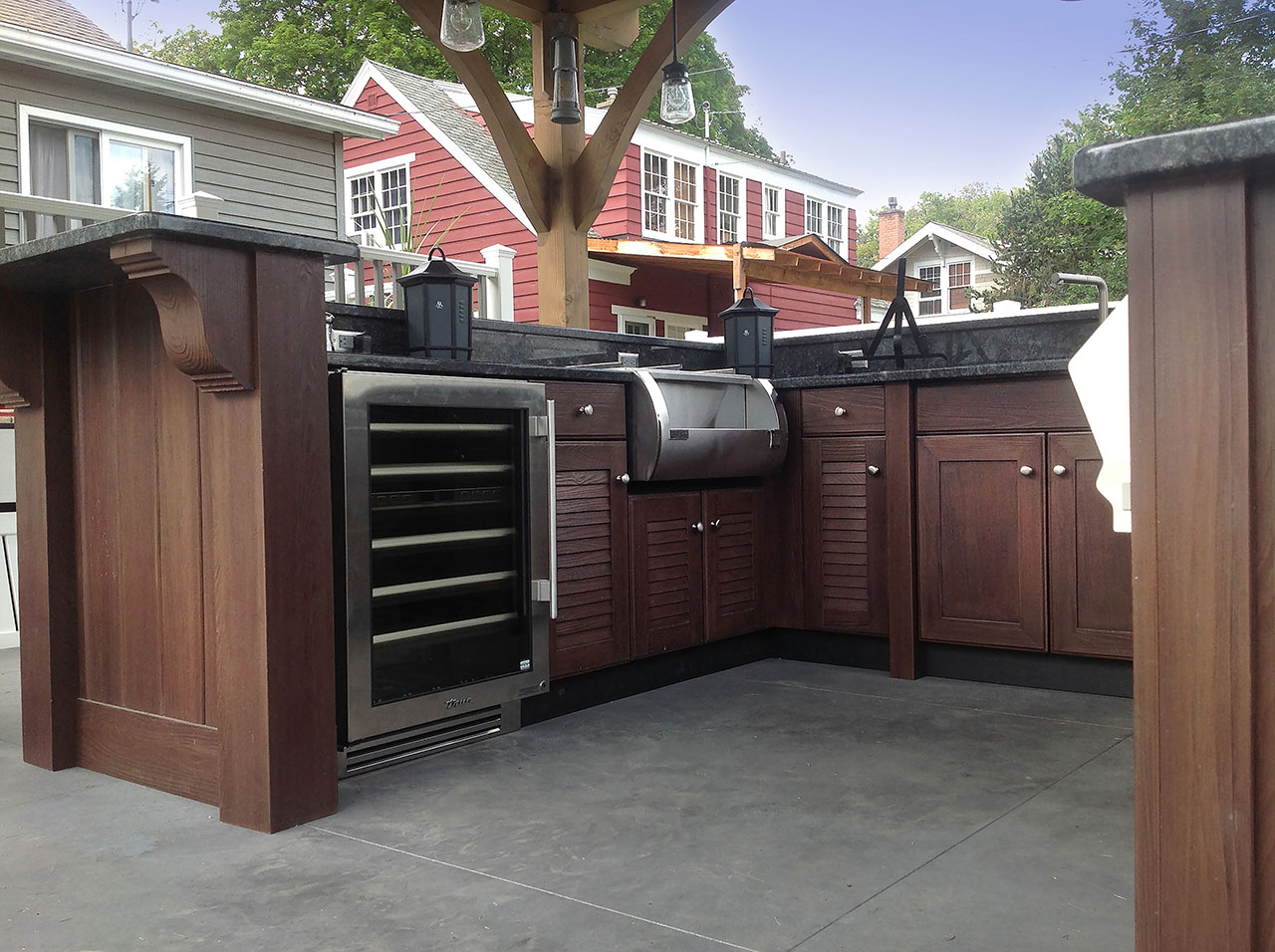
A small deck or patio doesn’t mean you have to give up on the dream of an outdoor kitchen. In fact, some of the most impressive outdoor kitchens are designed for compact spaces.
With thoughtful planning, smart layouts, and the right materials, a small outdoor kitchen can deliver big functionality, serious style, and year-round enjoyment.
Whether you want a simple grilling station or a fully equipped cooking zone, the right design can transform even the tightest space into a destination.
Key Considerations for Small Outdoor Kitchen Designs
Limited square footage requires more intentional choices, but it also encourages efficiency and creativity. Before making selections, it’s important to understand the main considerations that shape successful small outdoor kitchen designs.
Layout Efficiency: Make Every Inch Count
In compact outdoor kitchens, layout is everything. The goal is to reduce wasted space while keeping cooking tasks efficient.
Popular layout options for small outdoor kitchens include:
- Straight-line layouts, which place all components along one wall or railing
- L-shaped layouts, which add prep space without increasing depth
- Compact galley-style designs, ideal for narrow patios
A good rule of thumb is to prioritize the essentials—grill, prep space, and storage—before adding extras. Custom cabinetry allows you to tailor the layout to the exact dimensions of your space.
Appliance Selection: Go Smaller, Not Lesser
Oversized appliances can overwhelm a small outdoor kitchen visually and functionally. Instead, focus on right-sized appliances that still deliver performance.
Consider:
- Compact built-in grills
- Multi-function appliances (i.e. grill and side burner)
- Slim refrigerators or beverage centers
Choosing fewer, higher-quality appliances often works better than trying to cram everything in.
Traffic Flow: Design for Movement
Traffic flow matters in a small outdoor kitchen, especially if you entertain. Plan clear walkways so guests aren’t crowding the cook.
Key tips:
- Avoid placing appliances directly in main walking paths
- Keep cabinet doors and drawers from opening into high-traffic areas
- Leave enough clearance around grills for safe use
A compact space feels much larger when movement feels natural and unobstructed.
Storage Priorities: Think Vertical and Built-In
Storage is often the biggest challenge in a small outdoor kitchen. The solution is smart, built-in storage that eliminates clutter.
Effective storage strategies include:
- Vertical cabinet configurations
- Drawer storage instead of doors
- Integrated trash and recycling pull-outs
- Open shelving for frequently used items
Utilities and Infrastructure: Plan Early
Water, gas, and electrical access can influence what’s realistic in a small outdoor kitchen. Early planning helps avoid costly changes later.
Ask yourself:
- Do you need a sink, or will prep happen indoors?
- Is natural gas available, or will propane be used?
- Will lighting or outlets improve functionality at night?
Even modest utility upgrades can significantly enhance how usable your small outdoor kitchen feels.
Top 5 Outdoor Kitchen Ideas for Small Spaces
Once you’ve addressed the fundamentals, it’s time to explore specific outdoor kitchen ideas for small spaces that maximize both function and style.
#1. Built-In Solutions for a Seamless Look
Built-in cabinetry creates a streamlined appearance that makes small spaces feel more intentional and less cluttered. Custom-fit cabinets eliminate gaps and awkward filler panels that waste valuable square footage.
Built-in solutions can house:
- Grills and insulated liners
- Refrigeration drawers
- Storage for tools, utensils, and serving items
This approach delivers a polished, high-end look even in compact outdoor kitchens.
#2. Space-Saving Prep Surfaces
Counter space is essential, but it doesn’t have to be permanent or oversized.
Smart options include:
- Fold-down or slide-out prep surfaces
- Counter extensions over cabinet drawers
- Dual-purpose surfaces that double as bar seating
These features allow flexibility without sacrificing usability.
#3. Multi-Functional Cabinetry
In small outdoor kitchen designs, it’s a major plus when an element can serve more than one purpose. Multi-functional cabinetry helps reduce the total footprint while increasing convenience.
Examples include:
- Drawer bases with integrated cutting boards
- Cabinets that combine storage with casual seating space
- Appliance cabinets with proper ventilation and room for accessories
#4. Vertical Design Elements
Vertical space is often underutilized in small outdoor kitchens. Adding height draws the eye upward and increases storage.
Ideas include:
- Tall pantry-style cabinets
- Vertical spice or utensil storage
- Matching ventilation hoods that anchor the design visually
Vertical elements can make a compact kitchen feel taller and more substantial.
#5. Minimalist Finishes for a Bigger Feel
Lighter finishes, simple door styles, and consistent materials help visually expand a small outdoor kitchen.
Design tips:
- Choose neutral or wood-inspired tones
- Limit contrasting materials
- Keep hardware minimal and consistent
A cohesive design prevents visual clutter and enhances the sense of space.
How Much Does a Small Outdoor Kitchen Cost?
On average, a small outdoor kitchen typically costs between $7,000 and $16,000, depending on materials, appliances, and features. This is significantly less than larger outdoor kitchen projects, which can easily range from $35,000 to $65,000 or more.
Because they require fewer materials, less labor, and smaller appliances, small outdoor kitchens are often a more budget-friendly way to enjoy outdoor living without sacrificing quality.
Factors That Affect the Cost of a Small Outdoor Kitchen
| Cost Factor | Budget Impact |
| Cabinetry Materials | Higher-quality, weatherproof cabinetry costs more upfront but reduces maintenance and replacement costs over time |
| Countertop Materials | Natural stone and custom finishes raise the budget, while durable composites or standard options are more cost-effective |
| Appliance Selection | Larger, premium, or specialty appliances increase costs, while compact or multi-use appliances help keep budgets lower |
| Utilities | Adding gas, water, or electrical connections raises costs due to labor and permitting; using existing hookups can significantly reduce expenses |
| Customization Level | Fully custom layouts and built-ins cost more than prebuilt or semi-custom designs but allow better space efficiency |
How to Determine a Budget for Your Small Outdoor Kitchen
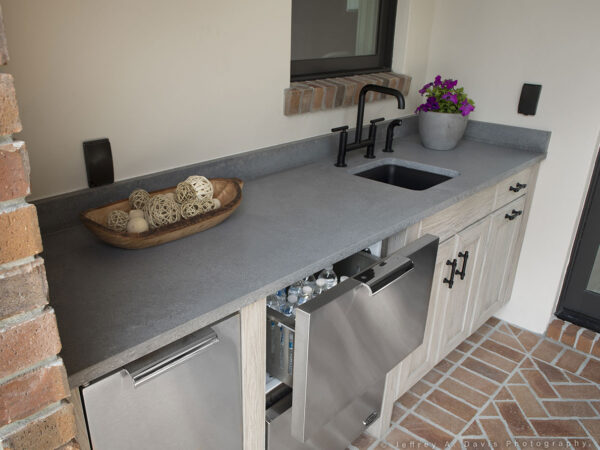
Setting a realistic budget starts with prioritizing what truly matters in an outdoor environment.
Some elements are worth the investment, especially those exposed to the elements year-round.
Non-Negotiable Priorities
- Durable, weather-resistant cabinetry
- Proper grill insulation and ventilation
- Quality installation
This is where NatureKast weatherproof cabinetry, available at Northern Building Supply, stands out.
NatureKast cabinets are engineered specifically for outdoor environments. Their cabinet boxes are constructed from expanded PVC, a material commonly used in plumbing applications because it resists moisture and environmental stress.
The doors and panels are crafted from advanced materials designed to replicate the texture and appearance of real wood—down to the fine details—without the maintenance challenges of traditional wood outdoors.
NatureKast cabinetry is:
- Fully customizable for small outdoor kitchen designs
- Compatible with most grills, cooktops, pizza ovens, and warming drawers
- Designed to allow airflow while resisting weather-related damage
- Easy to maintain with simple cleaning
- Backed by a limited lifetime warranty
Tips for Setting a Realistic Budget
Begin by defining your must-haves versus nice-to-haves. For many homeowners, the core priorities are a quality grill, durable cabinetry, and enough prep space to cook comfortably. Once those essentials are established, you can build outward.
We recommend investing more in components that are exposed to the elements and scale back on features that are easier to upgrade later. Weather-resistant cabinetry, proper ventilation, and long-lasting materials should always be prioritized, while decorative or specialty upgrades can be phased in over time.
Where you can save without sacrificing performance:
- Simplifying decorative finishes and custom accents
- Skipping specialty appliances you won’t use regularly
- Choosing efficient, streamlined layouts over complex designs
Is a Small Outdoor Kitchen Worth It?
Yes—a small outdoor kitchen is absolutely worth it when:
- You regularly grill or cook outdoors
- Your space limits traditional entertaining setups
- You want to increase the usability and value of your home
- You prefer quality and efficiency over size
Small outdoor kitchens offer a strong return on enjoyment, functionality, and visual appeal (without the commitment of a large-scale build).
Got Big Dreams for a Small Outdoor Kitchen?
Northern Building Supply believes great outdoor living isn’t defined by square footage; it’s defined by smart design and quality materials. Whether you’re working with a compact patio or small deck, our team is here to help you bring your vision to life.
With expert guidance, premium products like NatureKast weatherproof cabinetry, and thoughtful outdoor kitchen ideas for small spaces, you can create a setup that feels like an expansive retreat.
Get in touch with Northern Building Supply to discuss your ideas, ask questions, or request a quote.